Anxiety has a way of living in the body long after the thought that triggered it has passed. Your shoulders creep up toward your ears. Your jaw tightens. Your chest feels like it’s holding its breath even when you’re not. Talking yourself out of it rarely works, because anxiety isn’t just a thinking problem. It’s a nervous system problem. That’s exactly why sound healing has become one of the most talked about tools for anxiety relief this year, and why so many people who’ve tried everything else are finally finding something that sticks.
What Sound Healing Actually Is
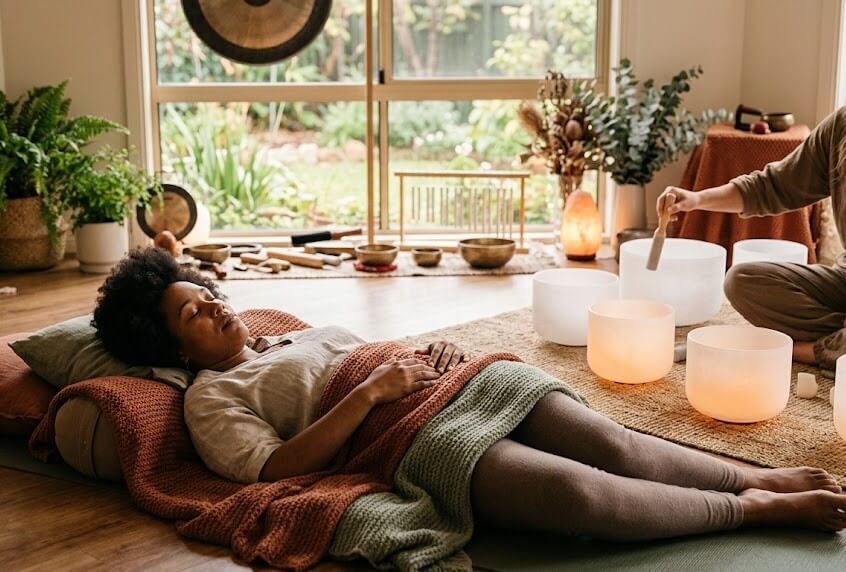
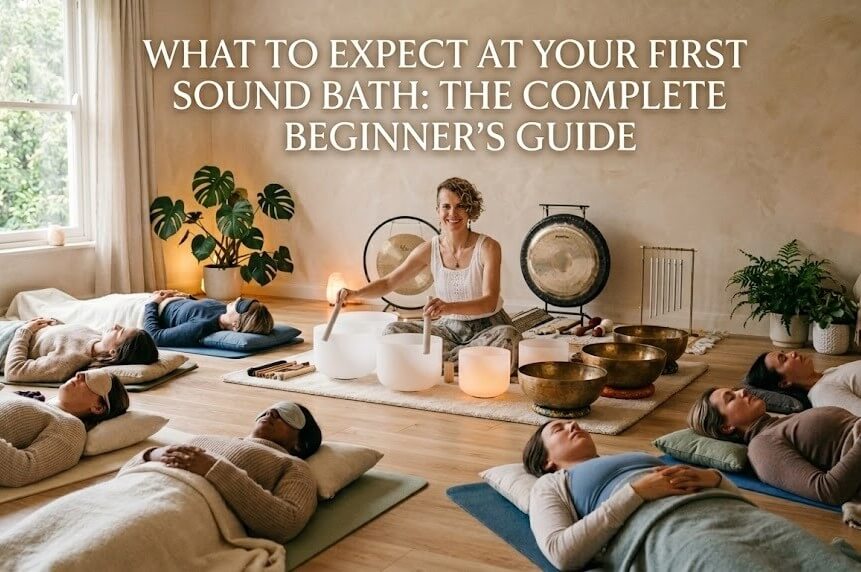
Sound healing is a practice where instruments like Tibetan singing bowls, crystal bowls, gongs, chimes, and sometimes the human voice are used to create layered vibrations that the body absorbs rather than just hears. A typical session, often called a sound bath, involves lying down comfortably while a practitioner plays these instruments in a slow, intentional sequence.
There’s no dancing, no performance, and nothing required of you except to lie still and let the sound move through the room. For people whose minds are constantly racing, this simplicity is part of the appeal. You don’t need to meditate perfectly or clear your thoughts. You just need to show up and lie down.
Why Anxiety Responds So Well to Sound
The Vagus Nerve Connection
The vagus nerve runs from your brainstem down through your neck, chest, and abdomen, and it’s the main communication line for your parasympathetic nervous system, the part responsible for rest, digestion, and calm. Low, resonant sound frequencies, especially the kind produced by singing bowls and gongs, stimulate pathways connected to this nerve. When the vagus nerve is engaged, your heart rate slows, digestion settles, and muscles release tension, which is the opposite of what happens during an anxiety spike.
This is one reason a sound bath can feel physically different from other relaxation techniques within minutes. You’re not just thinking your way calm. Your body is being nudged there directly.
What Happens to Your Brainwaves
During ordinary waking anxiety, your brain tends to sit in a fast beta wave state, alert and often overstimulated. Repetitive, low-frequency sound has been shown to encourage a shift toward slower alpha and theta wave patterns, the same states associated with light meditation and the drowsy period just before sleep. Studies using EEG technology have recorded these measurable brain wave changes during sound therapy sessions, which is part of why sound healing feels different from simply sitting quietly.
You don’t need to consciously “achieve” this state. Most people describe it as their thoughts naturally slowing down and spacing out, almost like static clearing on an old radio.
Cortisol and the Stress Response
Cortisol is the hormone most associated with chronic stress and anxiety, and it doesn’t switch off just because you decide to relax. Research on sound therapy has found that it can lower cortisol levels within a single session, which explains why people often walk out of a sound bath feeling physically lighter, not just mentally calmer.
What the Research Says
Sound healing was, for a long time, dismissed as purely anecdotal. That’s shifting. A recent systematic review of sound healing research found significant improvements in sleep quality among individuals using sound healing, with reduced sleep onset latency compared to control groups, and sleep and anxiety are deeply linked, since poor sleep tends to amplify anxious thinking the following day.
Broader reviews of the evidence report reductions in anxiety, improvements in sleep quality, and decreased pain perception across multiple studies, findings that now appear in peer-reviewed journals rather than only wellness blogs. Naturopathic and integrative health practitioners have also started incorporating sound-based frequency work into broader treatment plans, particularly for stress and sleep-related concerns.
None of this means sound healing replaces therapy or medication where those are needed. It means there’s a growing, credible body of evidence that it does something real to the nervous system, not just something pleasant to the ears.
What Happens in Your Body During a Session
If you’ve never experienced a sound bath, here’s a realistic picture rather than a mystical one. You’ll usually lie down on a mat with a blanket and maybe a bolster under your knees. The room is dim. The practitioner begins with lower, steady tones and gradually layers in higher or more textured sounds.
In the first few minutes, most people notice their to-do list is still loud in their head. That’s normal. Somewhere between minute five and fifteen, the body tends to catch up with the intention to relax, breathing deepens, and the mental noise softens. By the end, many people feel a kind of pleasant heaviness in their limbs, similar to the feeling right after a deep stretch or a good cry, minus the exhaustion.
Anxiety Symptoms People Notice Improving
Sound healing isn’t a cure, but people who use it consistently for anxiety often report changes in a few specific areas:
- Racing thoughts slowing down, especially at night
- Tight shoulders, jaw, or chest easing after a session
- Fewer moments of sudden panic or overwhelm in the days following
- Falling asleep faster and waking up less groggy
- Feeling more able to sit with uncomfortable emotions instead of avoiding them
These aren’t guarantees, and everyone’s nervous system responds differently, but they’re consistent enough patterns that practitioners hear them repeated session after session.
What to Expect From a Sound Healing Session for Anxiety
If you’re anxious about trying something new, which is a very reasonable thing to feel, it helps to know exactly what the session looks like beforehand. We’ve broken down the full experience, from arrival to what to bring, in what to expect at a sound bath, so there are no surprises walking in.
In short: you don’t need any experience, you don’t need to be flexible or “good at meditating,” and you’re welcome to keep your eyes open the entire time if closing them feels too vulnerable at first.
Sound Bath vs Other Anxiety Relief Practices
Sound Bath vs Meditation
Traditional seated meditation asks you to generate stillness largely on your own, which can feel frustrating for an anxious mind that won’t stop chattering. A sound bath gives your mind something external to follow, the sound itself, which makes the process feel more guided and less like a battle against your own thoughts.
Sound Bath vs Breathwork
Breathwork is active and can sometimes intensify anxiety briefly before it eases, particularly for people with a history of panic attacks. Sound healing is passive by comparison. You’re not required to control anything, which makes it a gentler entry point for people who find breathwork overstimulating.
Sound Bath vs Talk Therapy
Talk therapy works through language and cognition, which is essential for understanding the roots of anxiety. Sound healing works through the body and nervous system directly. The two aren’t competing, they’re complementary, and many people find sound baths help them feel calm enough to actually process what comes up in therapy.
How to Get the Most Out of a Sound Healing Session
A few small things make a noticeable difference in how much benefit you get from a session:
- Avoid caffeine for a few hours beforehand if you’re prone to feeling jittery
- Arrive a few minutes early rather than rushing in, since a rushed nervous system takes longer to settle
- Bring a blanket or wear layers, since body temperature drops as you relax
- Let go of the expectation that you need to “do” anything correctly
- Drink water afterward, since some people feel mildly light-headed as their body recalibrates
Who Tends to Benefit Most
Sound healing tends to resonate most with people who feel overstimulated by modern life, who struggle to switch off at night, or who find that traditional relaxation techniques feel too effortful when they’re already anxious. It’s also a popular option for people recovering from burnout, since it asks so little of you while still giving the nervous system real work to do.
It’s not a substitute for medical or psychological care for diagnosed anxiety disorders, but it pairs well alongside those forms of support as a nervous system reset. If you’d like a more community-based approach, you might also enjoy how we join a women’s circle that blends sound with shared support.
How Often You Should Go
There’s no universal rule, but many regulars find a rhythm of every two to four weeks helps maintain the calming effects, particularly during high-stress periods like exam season, big life transitions, or the lead-up to the holidays. Some people also treat a single session as a reset during an especially anxious week, rather than a fixed ongoing routine.
Finding the Right Sound Bath in Fremantle
If you’re local to Fremantle and want to experience this firsthand, our sound baths in Fremantle run regularly in a small, welcoming group setting designed specifically for people who are new to this kind of practice. For those who’d rather explore sound healing alongside deeper community connection, our Freo Women’s Circle combines sound with shared conversation and support, which many women find adds an extra layer of relief beyond the physical relaxation alone.
If you’re unsure which format suits you best, feel free to get in touch and we can point you in the right direction based on what you’re currently dealing with. A session also makes a thoughtful gift a sound bath session for someone you know who could use a reset.
Final Thoughts
Anxiety often gets treated as something you have to think your way out of, but so much of it lives in the body first. Sound healing offers a rare kind of relief because it works with your nervous system directly, gently, and without asking much of you at all. You don’t need to believe in anything mystical for it to work. You just need to lie down and let the sound do what your mind alone often can’t.
If you’ve been carrying tension for a while and nothing quite seems to shift it, a sound bath might be the reset your nervous system has been waiting for.